

Police Stop & Search Serious Game
Behavioural Decision-Making & Empathy Simulation
The Challenge
Police stop and search interactions remain one of the most sensitive and publicly scrutinised aspects of frontline policing. While operational procedures and legal frameworks are well documented, traditional training approaches often struggle to explore the emotional and human impact these encounters can have on the individuals involved.
The challenge was to design a short-form serious game experience that could encourage reflection, empathy, and behavioural awareness without becoming overly instructional or politically reductive.
The project needed to create space for nuanced decision-making while remaining grounded in authentic policing scenarios and lived experience.
Systems Thinking & Design Approach
The initial concept focused on using interactive narrative and consequence-based decision systems to explore how frontline communication choices can influence public perception, trust, and emotional response during stop and search encounters.
Working alongside a colleague responsible for script development, I sourced and collaborated with a subject matter expert who had previously worked directly with police services on stop and search policy, behavioural practice, and the identification of potential abuses of power.
Together, we developed a scenario structure designed not simply to assess procedural correctness, but to encourage reflection on interpersonal conduct, communication style, and emotional consequence.
The core interaction model combined:
- branching dialogue choices
- behavioural consequence systems
- reflective narrative outcomes
- perspective-based storytelling
- guided emotional feedback
A key design innovation was the introduction of a “flipped narrative” structure.
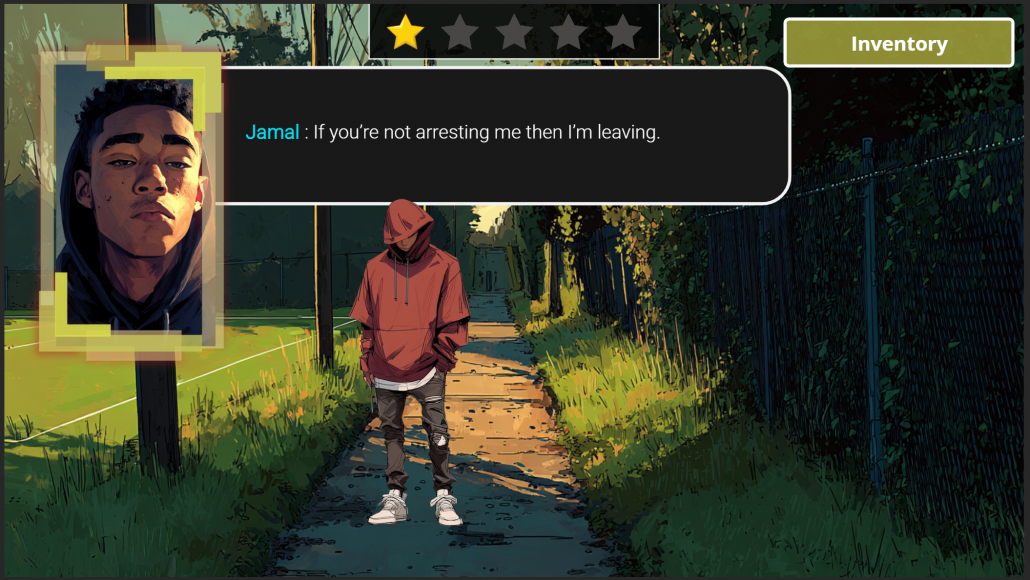
After completing the primary interaction from the officer’s perspective, players were then shown the encounter from the viewpoint of the young person involved. This secondary perspective explored how the officer’s decisions, tone, body language, and communication style affected the emotional experience of the stop itself.
The goal was not to present simplistic right or wrong answers, but to encourage deeper understanding of how authority, communication, and empathy intersect within high-pressure public interactions.
Narrative & Interaction Design
The experience was intentionally designed to feel immediate, contemporary, and emotionally engaging rather than institutional or procedural.
To support this, the game utilised:
- cinematic scene transitions
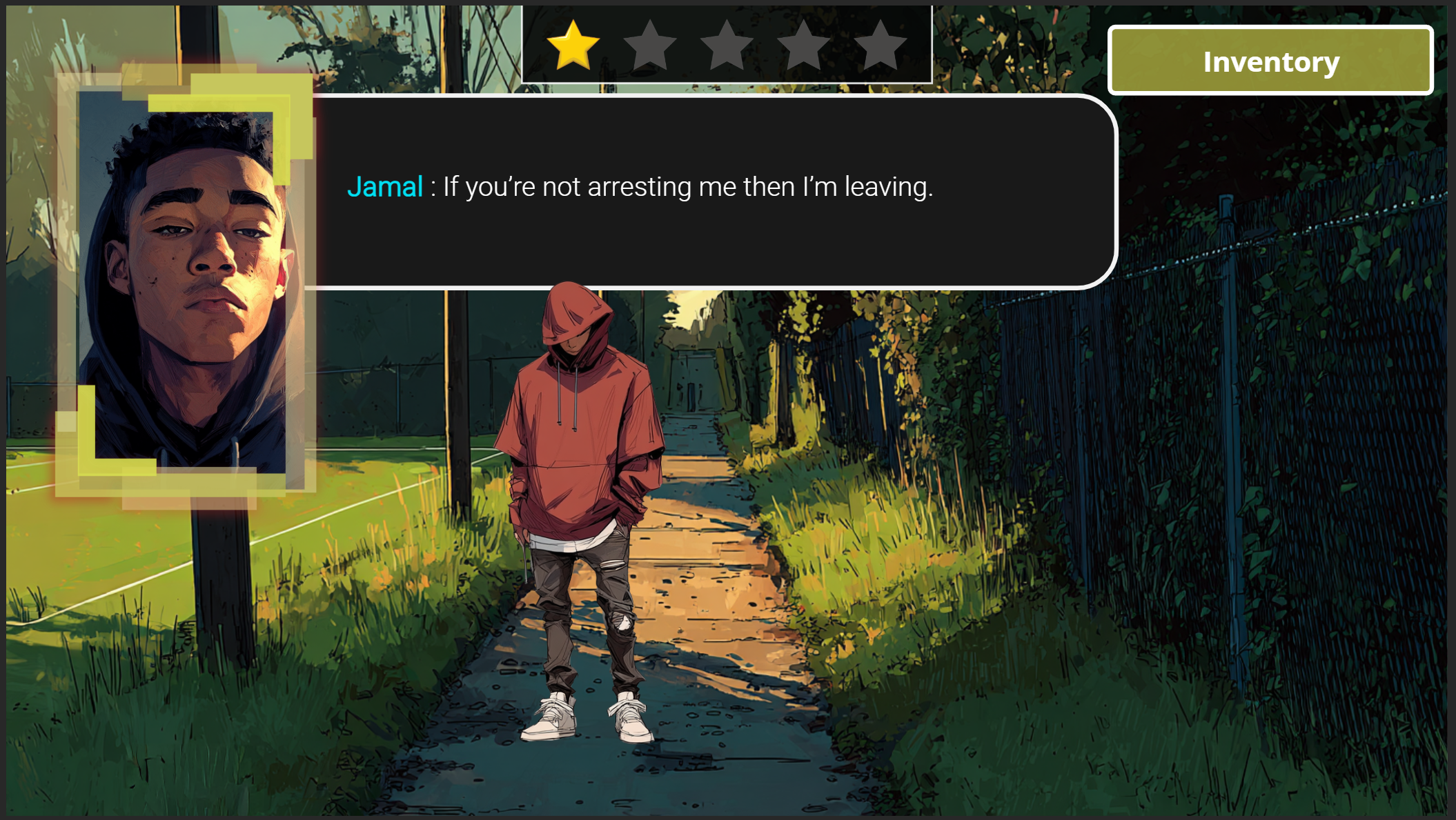
- stylised visual storytelling
- emotionally reactive dialogue
- layered player choice systems
- consequence-driven reflection
- character-focused interactions
The short-form format allowed the experience to function both as a standalone reflective exercise and as a facilitated discussion tool within wider professional learning environments.
Visual Direction & Creative Innovation
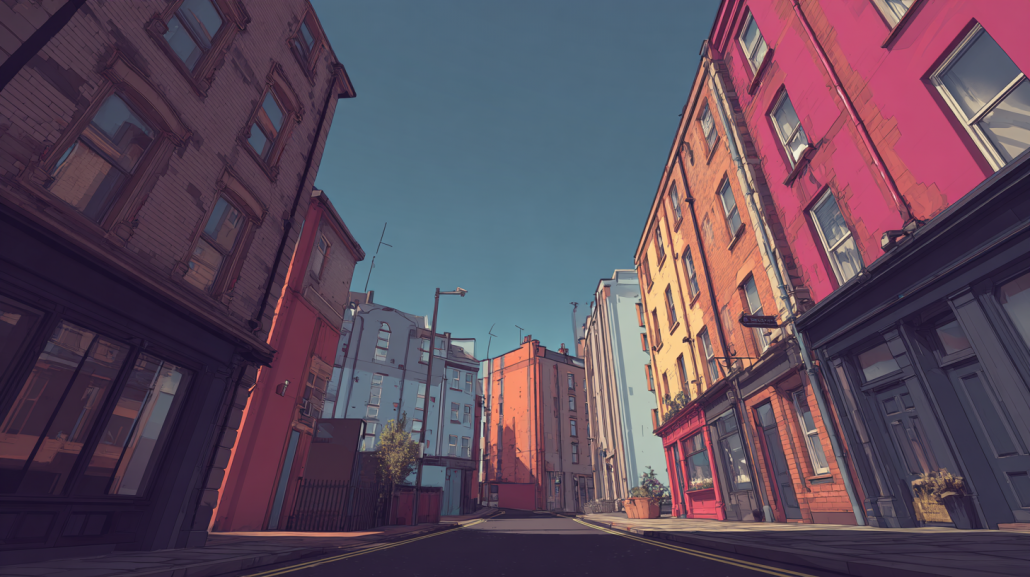
Unlike previous projects that leaned toward grounded realism, this experience intentionally embraced a more expressive and stylised visual identity.
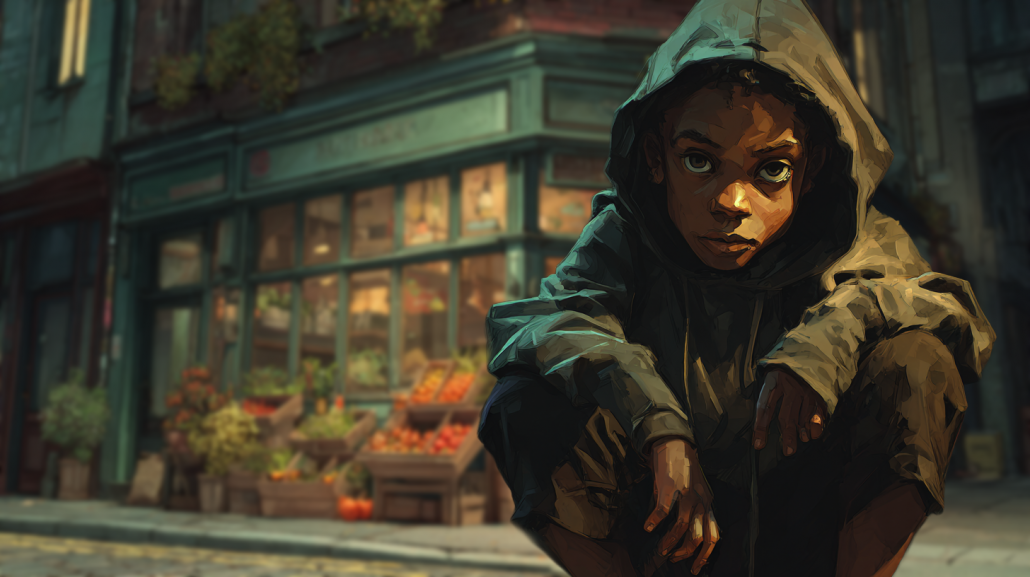
Drawing inspiration from the contemporary animation aesthetics popularised by productions such as Arcane, the art direction used:
- bold colour palettes
- energetic lighting
- expressive character illustration
- painterly textures
- graphic cinematic framing
The intention was to immediately capture audience attention while creating emotional accessibility around a difficult and sensitive subject area.
This stylised approach also reinforced the project’s broader goal of demonstrating how serious game methodologies can evolve beyond traditional military or compliance aesthetics into more emotionally resonant and culturally contemporary experiences.
Tools & Production Pipeline
The project was developed using a hybrid creative workflow combining traditional artistic practice with AI-assisted production methods.
Core Production Tools
- Articulate Storyline
- Adobe Photoshop
- Adobe Illustrator
- Adobe Premiere Pro
- Adobe InDesign
- Midjourney
- ElevenLabs
- Wondercraft
These tools supported:
- interactive scenario design
- stylised character development
- cinematic visual production
- AI-assisted voice workflows
- motion and audio editing
- promotional and conference presentation materials
AI-assisted workflows were integrated carefully within a broader handcrafted artistic process, allowing rapid iteration while maintaining visual cohesion, narrative sensitivity, and strong human-centred creative direction.
My Role
I led the overall creative direction and experiential design of the project, including:
- initial game concept development
- systems and interaction design
- subject matter expert collaboration
- behavioural narrative structure
- visual direction and artwork production
- AI-assisted creative pipeline development
- Storyline development
- scoring and consequence design
- multimedia production
- stakeholder collaboration
I also worked closely alongside the scriptwriter to ensure the narrative structure aligned effectively with the intended emotional and behavioural learning outcomes.
Outcome
The resulting experience demonstrated how serious games and interactive storytelling can be used to explore sensitive social and behavioural issues in a reflective, emotionally intelligent, and accessible way.
The project was later showcased at a Police and Security conference as an example of how narrative-driven game systems can be adapted across sectors beyond defence and military training while still supporting complex conversations around authority, behaviour, communication, and public trust.
 austen shand
 Austen Shand